
REVIEW · NEW ZEALAND HARBOUR CRUISES
Harbour, Albatross and Wildlife Cruise on Otago Harbour
Otago Harbour’s best wildlife sight may be above you: at Taiaroa Head, Northern Royal Albatross sweep over the cliffs and skim the waves. This small-boat cruise gives you a close, water-level view of the colony, along with broad views of the Otago Peninsula and working harbour.
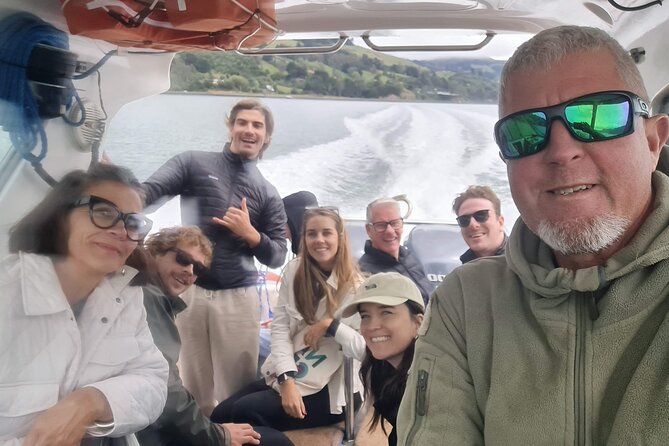
I like the maximum 18-person group, which gives the skipper room to adjust the route for birds, seals, and other wildlife. I also like the relaxed finish at the historic Careys Bay Hotel, where you can stop for seafood, local beer, wine, or coffee. The main caution is comfort: this can be a bumpy, wet ride, and the boat may head into open water, so bring warm and rainproof clothing.
What makes this harbour cruise worth considering
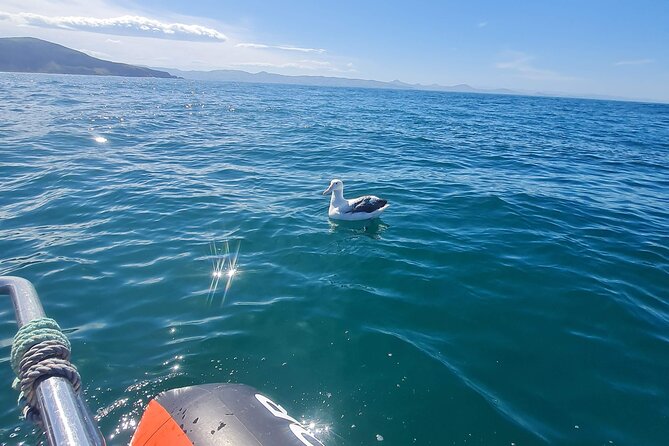
- Northern Royal Albatross at Taiaroa Head: Watch the only mainland breeding colony of these impressive birds from below the cliffs.
- A small boat with up to 18 people: The skipper can often position the vessel more closely around wildlife areas than a larger boat.
- Rob and Holly at the helm: Rob is identified as the skipper and guide on several trips, while Holly is also part of the operating team.
- Otago Peninsula from the water: See Careys Bay, harbour villages, fishing boats, cliffs, and old maritime sites from a different angle.
- A flexible end point: You can finish at Careys Bay Hotel for food or a drink, rather than returning immediately to the original departure point.
- Weather matters: The experience can be wet and rough, and the cruise may be canceled in poor weather or if the minimum number of bookings is not met.
Starting at Back Beach in Port Chalmers
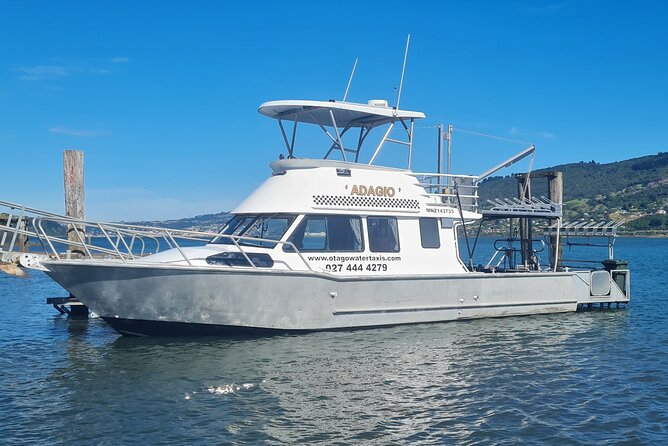
The cruise begins at Back Beach, a launch point used by local boat owners and tour operators. This matters because the meeting point can be easy to confuse with a wharf in central Dunedin. If your confirmation gives directions involving Dunedin, Port Chalmers, or a wharf, read them carefully and allow time to find the correct departure point.
The most useful thing to understand is that this is not a large sightseeing vessel with wide indoor decks. It is a compact boat carrying no more than 18 people. You step down about 20 centimetres into the boat, and an onboard restroom is available. Toilets are also available at the departure and drop-off points.
The compact size helps with wildlife viewing, but it also means less shelter and less room to move around. One past trip ran late after cruise ships reached Port Chalmers behind schedule, so I would avoid planning a tight connection immediately after the cruise. The duration is listed as about one to two hours, with the exact length likely shaped by weather, sea conditions, wildlife, and the chosen finish.
More Wildlife Trips in New Zealand:
- Otago Harbour Wildlife Cruise (Dunedin Shore Excursion)
★ 4.5 · 16 reviews - Wildlife Kayak Tour in Santa Barbara Harbor (2 Hours)
★ 5.0 · 172 reviews - Bridgetown: Wildlife Reserve Tour and Carlisle Bay Cruise
★ 4.6 · 21 reviews
Otago Harbour and the Otago Peninsula from the water
Once the boat leaves Back Beach, you travel along Otago Harbour with the Otago Peninsula rising beside you. From land, the peninsula is a familiar backdrop around Dunedin. From the boat, you get a lower viewpoint that brings the shoreline, cliffs, bays, and harbour traffic into a different frame.
The skipper provides commentary on natural sites and local history. Stories include shipwrecks and wildlife, giving the cruise more substance than a simple ride out and back. You are not just scanning for birds. You are also learning how the harbour connects its working waterfront, villages, fishing boats, and exposed coastal waters.
I especially like this part for people who want a short outing rather than a full-day wildlife tour. The harbour itself does much of the work. Even if birds are distant on a particular day, you still have the peninsula, fishing activity, and small harbour settlements to watch.
The boat’s size can be an advantage here. A smaller vessel can alter its position more easily and give people on board a clearer line of sight. Several strong experiences centered on the skipper making extra effort to locate wildlife. That is a useful quality on a nature trip, since animals do not follow a fixed schedule.
Careys Bay, fishing boats, and a possible lunch stop
Careys Bay is one of the short stops along the route. From the water, you can see fishing boats and keep watch for wildlife around the bay. It is a brief stop, listed at about five minutes, so think of it as a viewpoint and orientation point rather than a long shore visit.
The bay also gives you a sense of the area’s working character. This is not a cruise through scenery with every trace of local life removed. Fishing boats, harbour buildings, and visiting wildlife share the same water.
At the end of the tour, you may have the option to finish at the Careys Bay Hotel. The hotel is described as one of the oldest in the country, with fresh seafood, local beer and wine, and coffee. This is a practical bonus if you want to turn a short boat ride into a pleasant half-day outing.
The hotel option also helps with the tour’s pace. You can take the cruise as a focused wildlife trip, then stay for a meal instead of rushing off. I would confirm the exact drop-off arrangement before booking if you need to return to Back Beach or continue into Dunedin, since finishing at Careys Bay may change your transport plan.
Taiaroa Head and the albatross colony
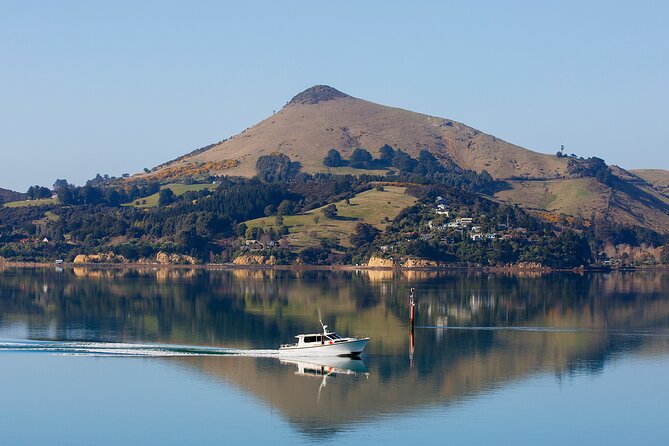
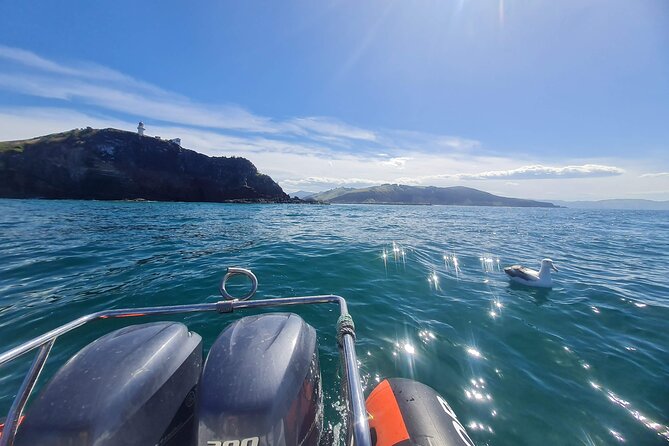
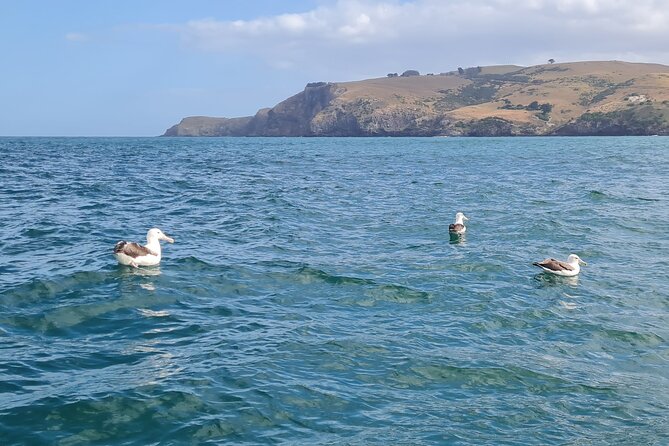
Taiaroa Head is the main reason to book this experience. It is home to the only mainland breeding colony of Northern Royal Albatross. From the boat below the cliffs, you can view the albatross centre and the colony from the water.
The sight you are hoping for is a large seabird gliding along the cliff line or swooping down over the waves. Albatross are built for flight rather than constant flapping, so the best moments may come when a bird rides the wind close to the boat. The viewing is naturally less predictable than a zoo visit. You may see birds at close range, but the exact action depends on conditions and the animals.
This is where the boat’s small capacity can have real value. The skipper can take time to look for good viewing positions instead of treating Taiaroa Head as a quick pass-by. Rob is repeatedly identified as the skipper and guide, and his role includes pointing out wildlife and explaining what you are seeing. Holly is also part of the operating team and has been described as working aboard the boat.
Albatross are not the only possible sight. The trip has produced sightings of birds, shags, seals, and other wildlife. You should treat these as possibilities, not promises. A wildlife cruise is strongest when you appreciate the setting and the search, rather than measuring the trip only by how many species appear.
If you are prone to seasickness, Taiaroa Head is the part to consider carefully. The boat may leave the calmer harbour waters and meet larger ocean swells. One account describes a fun but very bumpy ride, while another reports getting soaked in heavy rain. The conditions can change the character of the cruise from gentle sightseeing to a lively small-boat outing.
A few more trips on the water in New Zealand worth a look
- Akaroa Dolphins ~ Harbour Nature Cruise
★ 5.0 · 2,143 reviews - Auckland Harbour Sailboat Cruise Including Three Course Dinner
★ 4.5 · 476 reviews - Akaroa Harbour Nature Cruise
★ 5.0 · 332 reviews - Auckland: Harbour Sailing Cruise with 3-Course Dinner
★ 4.5 · 319 reviews
What the small vessel is really like
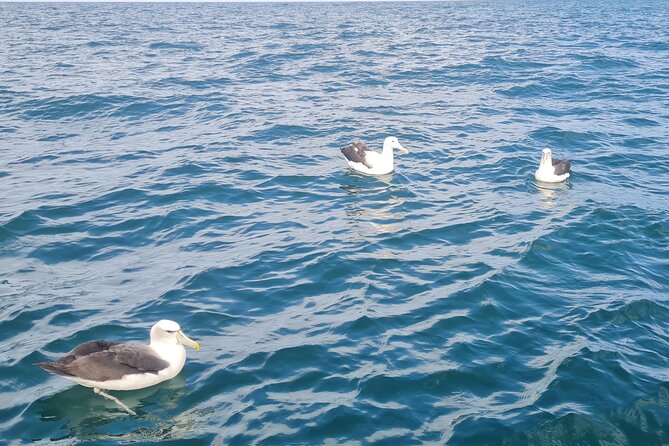
A compact boat brings you closer to the water, but it does not provide the same comfort as a large covered cruise boat. You may feel spray, movement, and wind. Bring a warm jacket as requested, and add rain protection if the forecast looks unsettled. A waterproof outer layer can matter more here than a camera with a long lens.
The seating has also changed over time. One earlier experience described a metal box used as a seat, while the operator later stated that cushions had been added. That suggests comfort has improved, but I would still expect basic boat seating rather than padded lounge chairs.
Safety equipment was questioned in one unhappy account, though the operator stated that the vessel holds a commercial survey. You should listen carefully to the skipper’s instructions before departure and ask where safety equipment is located if you do not see it. The boat has an onboard restroom, but the overall setup remains simple and practical.
The group limit of 18 is important. A smaller group usually makes it easier to hear the commentary and see around other people. It also gives the skipper a better chance to respond to wildlife sightings. Still, the boat may feel crowded if everyone is standing or shifting sides at once, so keep your movements steady in rough water.
Commentary, guides, and the human side of the trip
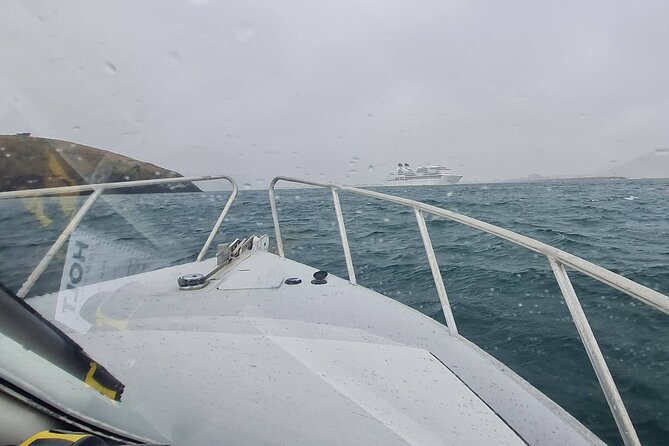
The commentary covers local wildlife, natural points, shipwrecks, and the harbour’s history. That mix is valuable because it connects the albatross colony with the place around it. You get more than a single wildlife target.
Rob receives particularly strong praise for his boat handling, timing, and effort to locate animals. Descriptions of him include skipper, guide, and wildlife expert, and he has been credited with making good decisions about where to look. Holly is also named as part of the team.
The guide makes a difference on this type of trip. A bird can be visible for only a few seconds, and a good skipper will point it out before it disappears into the distance. On a small vessel, clear commentary also helps you understand why the boat pauses, changes direction, or moves closer to the cliffs.
The experience has a rating of 4.4 from 22 reviews, with many very positive accounts and a few serious complaints. That split gives you a fair picture: the wildlife and guiding can be excellent, but departure details, weather, boat comfort, and schedule changes deserve attention.
Price, timing, and overall value
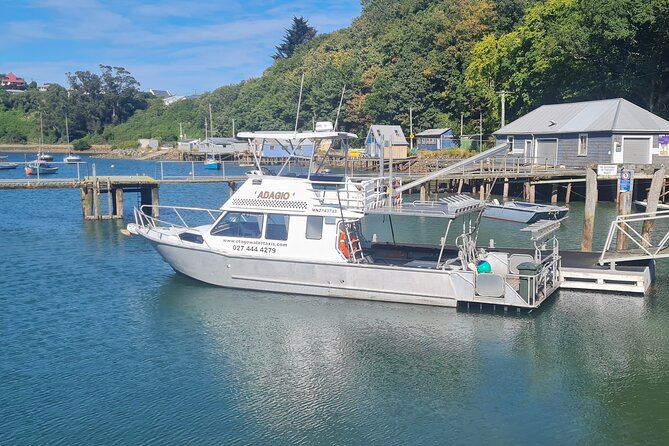
At $80.67 per person, this is not the cheapest way to spend an hour on the harbour. The value depends on what you want from the outing. If you want a dedicated look at Taiaroa Head, a small group, local commentary, and the chance to see albatross from the water, the price is reasonable for a specialized cruise.
You are paying for more than transportation. The skipper is actively searching for wildlife, explaining the coast, and choosing where to position the boat. That effort matters more than the number of minutes on the clock.
The listed duration is about one to two hours. That makes the cruise easy to fit into a day around Dunedin or Port Chalmers, but it is short enough that you should not expect a full coastal expedition. The optional Careys Bay Hotel stop can extend the outing with food or a drink, though the meal is not included.
The cruise has had more than five bookings in the past month, but it also requires a minimum number of people to operate. A cancellation for low numbers is possible, especially when you are the only person booked on a departure. The operator has arranged an alternative with another company in at least one such case, but you should not build a critical onward connection around this tour.
Free cancellation is available up to 24 hours before the start time. Poor weather can also lead to a new date or a full refund. Less than 24 hours before departure, changes and cancellations are not accepted for a refund.
Who will enjoy it most
I would choose this cruise if you want a focused nature outing and are comfortable with a basic boat. It suits people who care more about access and wildlife than plush seating.
It is a good fit for:
- Birdwatchers hoping to see Northern Royal Albatross at Taiaroa Head
- Families and small groups who prefer a boat carrying no more than 18 people
- Visitors with only one or two hours available
- People who enjoy local stories about shipwrecks, wildlife, and harbour settlements
- Anyone who likes the idea of ending at Careys Bay Hotel for seafood or a drink
I would be more cautious if you need a very sheltered ride, have a low tolerance for motion, or require precise timing. The boat can be wet and bumpy, and the open-water section may feel more active than the word harbour suggests.
The activity is suitable for most people, but you need to step down about 20 centimetres into the boat. Bring your own drink bottle because bottled water is not included. Warm clothing is not optional advice here. Wind and spray can make the ride feel much cooler than conditions on shore.
Should you book the Otago Harbour wildlife cruise?
Book it if albatross, small boats, and genuine harbour scenery appeal to you more than polished comfort. The strongest reason to go is the chance to watch Northern Royal Albatross around Taiaroa Head while Rob or Holly explains the wildlife and coastline.
Before paying, confirm the exact departure point at Back Beach in Port Chalmers, check the weather, and leave spare time around the cruise. If you prepare for wind, spray, and a potentially bumpy ride, this can be a memorable way to see Otago Harbour from its most interesting side.
FAQ
Where does the cruise depart?
The main departure point is Back Beach in Port Chalmers. A jump-on point is also listed for departures from Dunedin, so confirm the exact meeting instructions when booking.
How long does the cruise last?
The cruise lasts approximately one to two hours.
How many people can join the boat?
The maximum group size is 18 people.
Will I see Northern Royal Albatross?
The route visits Taiaroa Head, home to the only mainland breeding colony of Northern Royal Albatross. You have the chance to see the birds gliding around the cliffs and over the waves, but wildlife sightings cannot be guaranteed.
What other wildlife might I see?
Possible sightings include birds, shags, seals, and other local wildlife.
Is there a restroom on the boat?
Yes. A restroom is available onboard, and toilets are also available at the departure and drop-off points.
Should I bring food or water?
Bottled water is not included, so bring your own drink bottle. You may be able to finish at the Careys Bay Hotel, which serves fresh seafood, local beer, wine, and coffee.
What should I wear?
Bring a warm jacket. The boat can be wet and bumpy, so rain protection is also sensible.
Can the cruise be canceled?
Yes. The cruise requires good weather and a minimum number of people. If it is canceled for poor weather or low numbers, you will be offered another date or experience, or a full refund.
New on the water in New Zealand
- Wellington 90 minute Harbour Cruise★ 5.0 · 6 reviews
- Otago Harbour Wildlife Cruise (Dunedin Shore Excursion)★ 4.5 · 16 reviews
- Lyttelton Shore Excursion: Twin Harbour Tour (Lyttelton & Akaroa)★ 3.5 · 4 reviews
- Wellington: Commentated Harbour Explorer tour★ 4.7 · 26 reviews
- Christchurch: Sea Kayaking Tour of Lyttelton Harbour★ 5.0 · 6 reviews
- Auckland: Waitemata Harbour Jet Boat Ride★ 4.3 · 8 reviews
- Auckland: Scenic Wine and Cheese Harbour Cruise★ 4.7 · 3 reviews
- Auckland: Scenic Harbour Cruise with Live Commentary★ 4.2 · 40 reviews
New Zealand Harbour Cruises, compared.
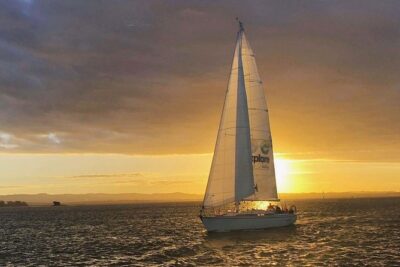
Auckland Harbour Sailboat Cruise Including Three Course Dinner
Read our review →
Bay of Islands: Discover the Bay Cruise with Island Lunch
Read our review →
Browse the lists this tour appears in