
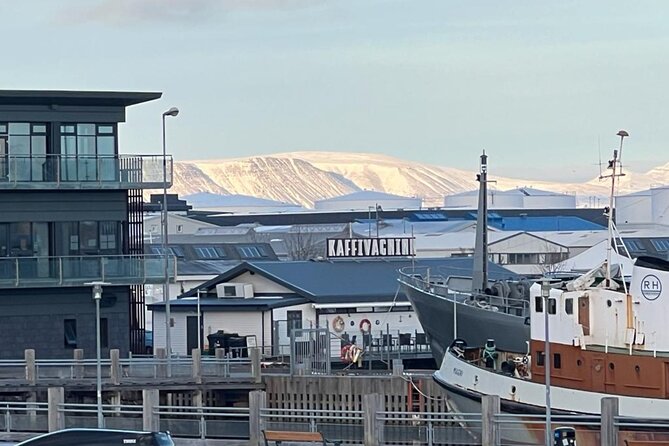
REVIEW · HARBOUR WALKING TOURS
Reykjavik Food Tour – Old Harbor Walking Tour
I like that this is not built around only Iceland’s most famous oddities. You’ll visit six or more local eateries and taste the food people eat now, while your guide explains how fishing shaped Reykjavik. The small group, capped at eight, should also make it easy to ask questions and keep the walk personal.
I also like the Old Harbor setting, where food stops are mixed with the Saga Museum, Aurora Reykjavik, Maritime Museum, and Iceland Ocean Cluster. The main drawback is the price: at $123 per person, this makes the most sense if you value several tastings and cultural context, not just a quick snack.
Key points to know before booking

- Modern Icelandic food: Expect more than fermented shark and other novelty bites. The emphasis is on the food Icelanders enjoy today.
- Six or more tasting stops: The tour visits one or two eateries in each of four Old Harbor areas.
- Fishing is central: Your guide connects the food to Iceland’s fishing economy, sustainability, fish farms, and whaling.
- Small private group: The group is limited to eight people, and only your party participates.
- Three-hour afternoon format: The listed departure is 3:00 pm, with the tour ending near the starting point.
- Guide-led and personal: Guides such as Sabrina focus on local food, culture, and getting to know the people in the group.
Why this Old Harbor food walk feels different
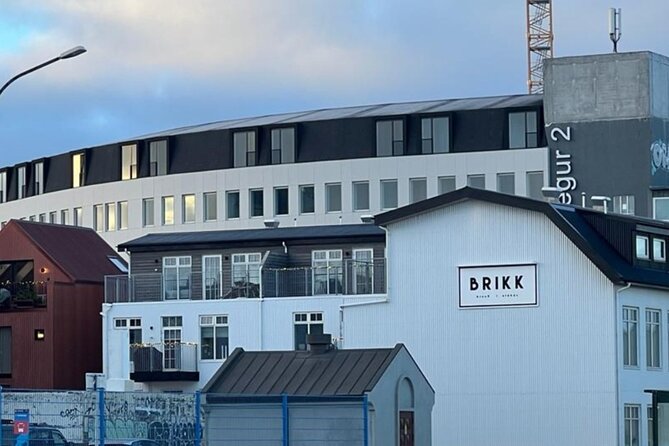
Many Reykjavik food tours focus on a short list of signature dishes. This one takes a broader view. You eat your way through Grandi and the Old Harbor district, but the food is only half the story. The other half is the working life behind it: fishing, trade, changing tastes, and the place seafood holds in Icelandic culture.
That makes the tour useful early in your stay. You can sample several foods without committing to full meals at separate restaurants, and you get a guide who can put each stop into context. I like this format because food becomes a way to understand Iceland, not simply a checklist of unusual dishes.
The tone also appears more relaxed than formal. Sabrina is named as a guide on several departures, and the strongest praise centers on her enthusiasm, personal attention, and ability to explain both food and everyday Iceland. You should expect conversation, questions, and stories rather than a scripted museum lecture.
At $123, the cost is not small. Still, the price covers about three hours, multiple tasting stops, a private group of no more than eight, and a guided walk through one of Reykjavik’s most meaningful districts. The value depends on how much you would otherwise spend on meals and how much you want help making sense of what you eat.
More Waterfront Walks in the world:
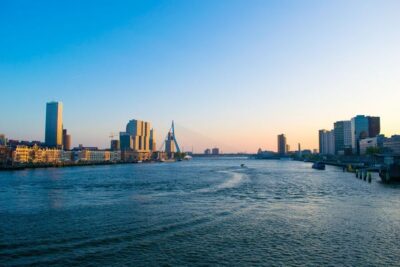
- Rotterdam Walking Tour and Harbor Cruise
★ 4.7 · 59 reviews - Annapolis Historic Walking Tour at Harbor and Naval Academy
★ 5.0 · 38 reviews - Toronto Downtown Walking Tour With Tower and Harbour Cruise
★ 4.5 · 37 reviews
Starting at Seljavegur 2 in Reykjavik
The tour begins at Seljavegur 2 in postal code 101 Reykjavik, near public transportation. The listed start time is 3:00 pm, so you have the morning and early afternoon free for other sights.
The meeting point is useful for a day that already includes central Reykjavik. You can spend the earlier hours sightseeing, then make your way toward the harbor without needing a separate trip outside the city. Be sure to allow time to find the exact starting point, since a food tour loses some of its ease if you arrive rushed.
The route ends at Grandagarður 21, also in the Old Harbor area. You finish about a three-minute walk from where you started. That simple return is helpful if you have left a coat, shopping bag, or other items nearby, and it makes the tour easy to pair with an evening plan.
The tour lasts about three hours. That is long enough for several stops and a proper introduction to the neighborhood, but not so long that it takes over the entire day. The route includes walking between stops, though the experience is not described as a strenuous hike. One guide specifically noted that the amount of walking was not excessive.
Stop one: the Saga Museum and the first local bites
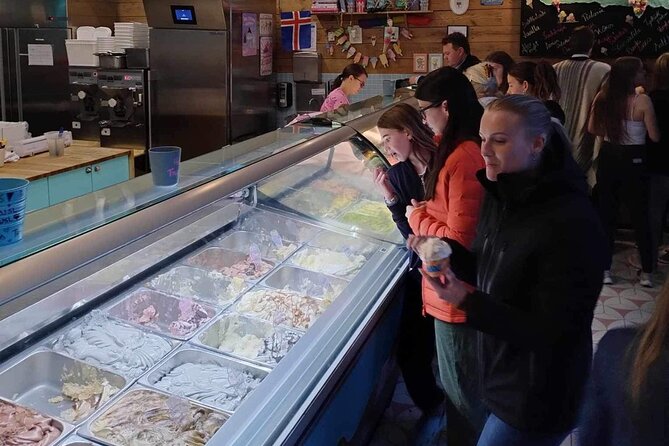
The first part of the route takes you through Grandi, the Old Harbor neighborhood, with a stop near the Saga Museum. The museum itself is a point of interest along the way, rather than an included museum visit. Admission is listed as free because you are passing by, not entering for a separate tour.
This is a good opening setting. The Saga Museum gives your guide a chance to talk about Iceland’s settlement and earlier society before the group turns toward present-day food. The point is not to cover every period of Icelandic history. It is to give you enough background to understand how the country developed around the sea and its limited resources.
You will stop at one or two local eateries in this area. The exact businesses and dishes are not fixed in the information provided, so you should think of this as a tasting route rather than a guaranteed menu. That flexibility can be useful because local restaurants and street-food vendors change over time.
The first stop also sets the tone for the tour. You are not simply handed a sample and moved along. The guide ties what you taste to local habits and the changing shape of Icelandic cuisine. If you are hoping for an extended visit inside the Saga Museum, this tour will not provide that. If you want a quick landmark introduction paired with food, it fits well.
Stop two: Aurora Reykjavik and a look at modern Iceland
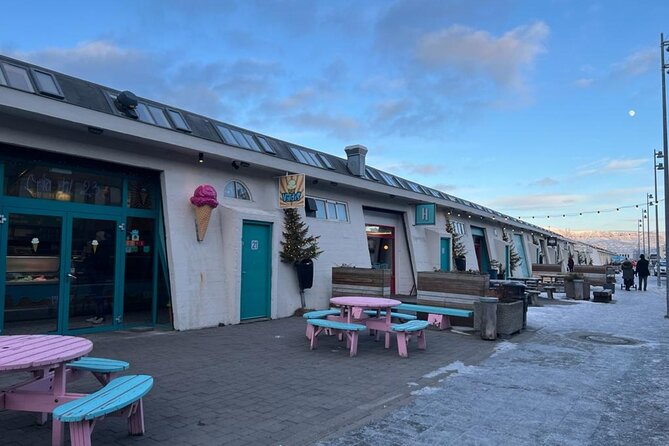
The route continues toward Aurora Reykjavik, the Northern Lights Center. Again, this is a place of interest along the walk, not an included admission visit. The tour uses the center and nearby sights as prompts for discussing Icelandic culture and daily life.
This stop helps break up the meal-focused rhythm. You are still tasting food, but you are also moving through a part of Reykjavik that attracts visitors for science, nature, and national identity. The guide can use the setting to explain how Iceland presents itself today, beyond the familiar images of volcanoes, glaciers, and northern lights.
One or two more eateries are included in this portion of the route. That gives you a chance to compare different types of food or serving styles. Since the tour highlights both food and drinks, you may sample beverages as well as solid foods, though the exact choices are not specified.
I especially like this part for first-time visitors who want a little help reading Iceland beyond its postcard sights. The tour does not treat food as an isolated subject. Instead, it connects eating with how people live, work, and describe their own country.
More Food and Drink Trips in the world:
- Gdańsk: Shipyard and Port Cruise with Pierogi Tasting
★ 4.6 · 11 reviews - Sydney: Harbour Cruise with Gourmet BBQ Lunch, Beer and Wine
★ 4.9 · 4 reviews - Safety Harbor Food Tour
★ 5.0 · 2 reviews
Stop three: the Maritime Museum and Iceland’s dependence on fish
Fish is a major part of Icelandic cooking, and the Maritime Museum provides the clearest setting for that subject. The guide explains the importance of fishing from the time of settlement onward, helping you understand why seafood appears so often in Icelandic meals and national identity.
This section gives the tour its strongest sense of place. You are not tasting food in an anonymous downtown restaurant. You are in the harbor district, close to the industry that helped shape Iceland’s economy and communities. The location makes the explanation easier to grasp.
The group stops at one or two eateries here as well. By this point, you will have sampled several foods and should have a better basis for asking practical questions. If something is unfamiliar, ask about how it is normally served, when people eat it, or how common it is in present-day Iceland.
The focus is not limited to historic dishes. One particularly useful point from the experience is its attention to modern Icelandic food rather than a parade of old specialties. You might encounter traditional flavors, but the purpose is to show how Icelandic eating has changed. That is helpful if you want a real picture of local food instead of a performance built around shock value.
Stop four: Iceland Ocean Cluster and the fishing economy today
The final major stop is the Iceland Ocean Cluster. Here, the discussion shifts from the past to the current role of fishing in Iceland’s economy. The guide covers topics such as sustainability, fish farms, and whaling, giving you a more current view of the issues connected to seafood.
This is where the tour gains substance beyond restaurant hopping. You get a chance to think about where Icelandic food comes from, how the industry affects the country, and why fishing remains a sensitive subject. The topics are not just background facts. They can shape what appears on menus and how Iceland presents its food abroad.
You will make another one or two food stops in this area. With four sections and one or two eateries in each, the total reaches at least six tasting locations. That number is important when judging the price. You are paying for more than a single dish and a short explanation.
The exact balance of food, drink, and walking can vary by departure. Still, the overall pattern is clear: taste something, move through the Old Harbor, hear how fishing connects to Iceland, then taste again. The pace should suit you if you prefer small portions and variety over sitting down for one long meal.
What you are likely to taste, and what you are not
The experience is designed around real Icelandic foods and drinks, but it is not presented as a fixed menu. That means you should not book it expecting specific dishes unless the provider confirms them before departure.
The useful distinction is between food that represents Iceland today and food chosen only because it sounds strange to outsiders. The tour leans toward the former. You may still encounter foods that are unfamiliar, but the aim is to show the evolution of Icelandic cooking and what people actually enjoy.
This makes the tour a good choice if you want to try local food without ordering several full meals on your own. It is also helpful if you are unsure how adventurous to be. A guide can explain what you are tasting and offer cultural context, rather than leaving you to guess from a menu.
If you have serious food allergies or strict dietary needs, confirm details before booking. The supplied information does not list dietary accommodations or a complete menu. The same advice applies if you do not eat fish, since fishing and seafood are central themes of the tour.
The value of a group limited to eight

The small-group size is one of the best practical features. With no more than eight people, you should be able to hear the guide clearly and ask questions without stopping the entire street. A small group also makes it easier to fit into local eateries.
The activity is described as private, meaning only your group participates. At the same time, the advertised maximum is eight people. If you are booking for a couple or a family, confirm how the provider applies the private-tour arrangement to your party before paying, since the information gives both details.
The guides are a major part of the experience. Sabrina is named in the supplied details, and the strongest comments about her focus on enthusiasm, personal attention, and her ability to connect food with Icelandic life. That suggests you should expect a guide who engages with the group rather than simply reciting facts.
This format works especially well for solo visitors, couples, and small families who like conversation. It may be less appealing if you prefer to eat independently or move quickly without stopping for explanations.
Timing, weather, and cancellation rules
The listed departure is 3:00 pm, which makes this an afternoon food tour. That timing can work nicely on a sightseeing day, but it may not suit you if you prefer a large lunch or have a tightly packed evening schedule.
You receive confirmation within 48 hours of booking, subject to availability. The tour is commonly reserved about 34 days ahead, so booking early is sensible if your Iceland dates are fixed, especially for a small private group.
Free cancellation is available if you cancel at least 24 hours before the start time. Changes or cancellations made inside that period are not accepted for a refund. Cutoff times use local time in Iceland.
Weather matters because this is a walking activity. If poor weather forces a cancellation, you are offered another date or a full refund. The experience also requires a minimum number of participants, and if that condition is not met, you are offered another date or experience, or a full refund.
Who should book this Reykjavik food tour?
I would choose this tour if you want three things at once: a range of Icelandic tastings, a walk through the Old Harbor, and a clear explanation of fishing’s role in the country. It is particularly useful at the start of a trip, when you are still deciding which foods and restaurants deserve more of your budget.
It also suits you if you have limited time in Reykjavik. In three hours, you see several harbor landmarks and sample food at multiple locations without arranging each stop yourself.
You may want to skip it if you are looking for a full sit-down meal, a fixed menu, or admission to the Saga Museum, Northern Lights Center, or Maritime Museum. Those sites are passed during the tour, but the experience does not include separate museum visits.
Should you book it?
Book this Old Harbor food tour if you want modern Icelandic food explained by a local guide, with enough stops to make the $123 price feel useful. The small group, personal guiding, and strong focus on fishing and daily life give it more substance than a simple snack walk.
Skip it if you mainly want the cheapest way to sample one or two famous Icelandic foods. For everyone else, especially first-time visitors who want context with their meal, this is a well-shaped introduction to Reykjavik’s food culture.
FAQ
How long does the Reykjavik Food Tour last?
The tour lasts approximately three hours.
What time does the tour start?
The listed start time is 3:00 pm.
Where does the tour begin and end?
It begins at Seljavegur 2, 101 Reykjavik, Iceland, and ends at Grandagarður 21, 101 Reykjavik. The ending point is about a three-minute walk from the starting point.
How many food stops are included?
The route visits at least six local eateries or street-food vendors. Each of the four main areas includes one or two tasting stops.
Are museum admissions included?
The tour passes the Saga Museum, Aurora Reykjavik, the Reykjavik Maritime Museum, and the Iceland Ocean Cluster. The listed itinerary does not include admission to these attractions.
Can I cancel for a full refund?
Yes. You can cancel at least 24 hours before the start time for a full refund. Poor weather or failure to meet the minimum number of participants may also result in another date or a full refund.
New on the water in the world
- Around the Bay Sightseeing and Bay Cruise★ 5.0 · 24 reviews
- Luxury Harbour Ocean Boat Cruise★ 4.5 · 14 reviews
- Galveston Historical Harbor Tour – Maritime & Heritage Cruise★ 4.5 · 29 reviews
- Unrivalled Coastal Tour to Saint’s Bay Harbour★ 4.5 · 29 reviews
- Private Hamad Port Tour in Mesaieed |Aquarium |Maritime Museum★ 5.0 · 3 reviews
- Amber Cove and Taino bay Cruise Ship – Waterfalls of Damajagua★ 4.0 · 9 reviews
- Montenegro Bay Cruise with Lunch on the Boat day trip★ 4.0 · 21 reviews
- Fireworks Cruise in Destin Harbor aboard the hydrojet★ 4.0 · 13 reviews
Harbour Walking Tours, compared.
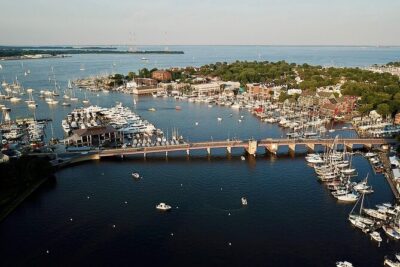
Annapolis Historic Walking Tour at Harbor and Naval Academy
Read our review →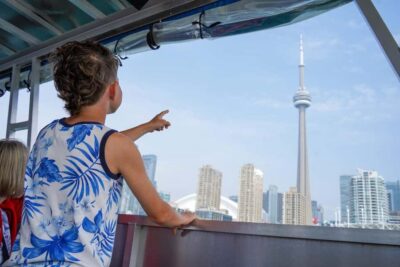
Toronto Downtown Walking Tour With Tower and Harbour Cruise
Read our review →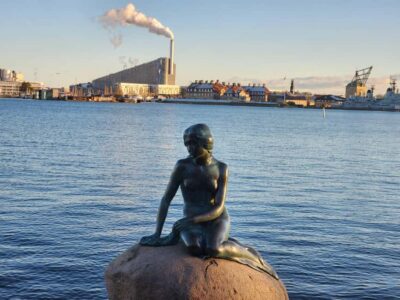
Copenhagen Combo: Walking Tour, Harbor Ferry & Royal Guards
Read our review →
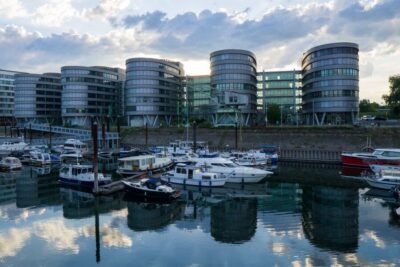
Duisburg: Guided Walking Tour through the inner harbour
Read our review →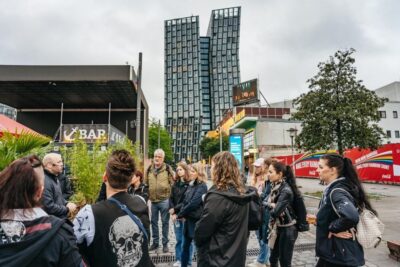
Hamburgs Highlights: Harbor Cruise & Reeperbahn Walking Tour
Read our review →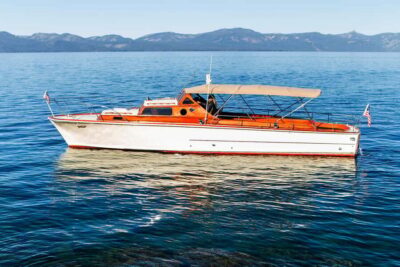
Tahoe: Emerald Bay Cruise & Vikingsholm Castle Walking Tour
Read our review →Browse the lists this tour appears in